How much does a new roof cost in Marblehead?
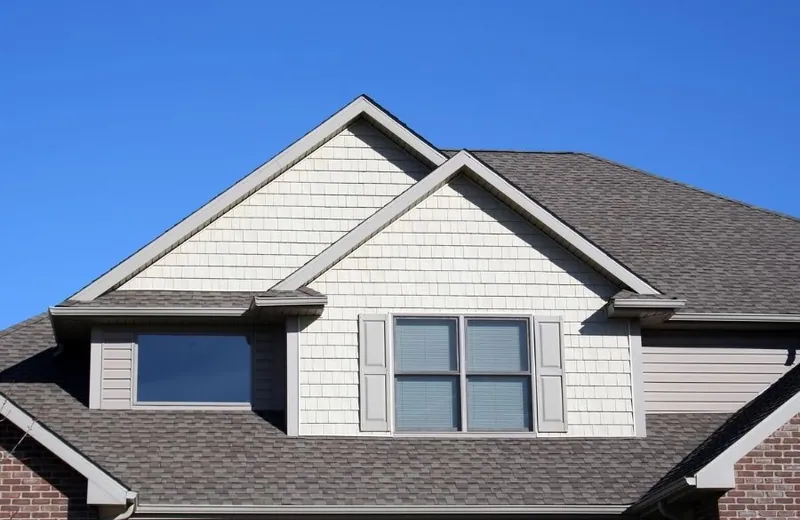
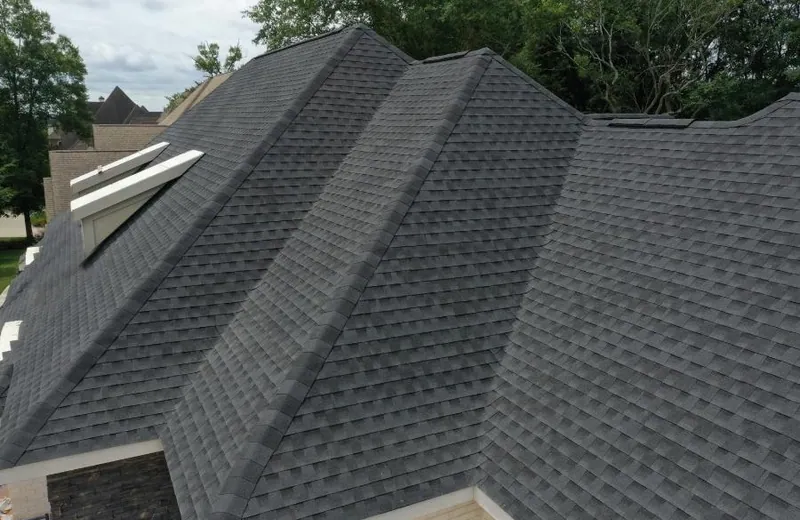
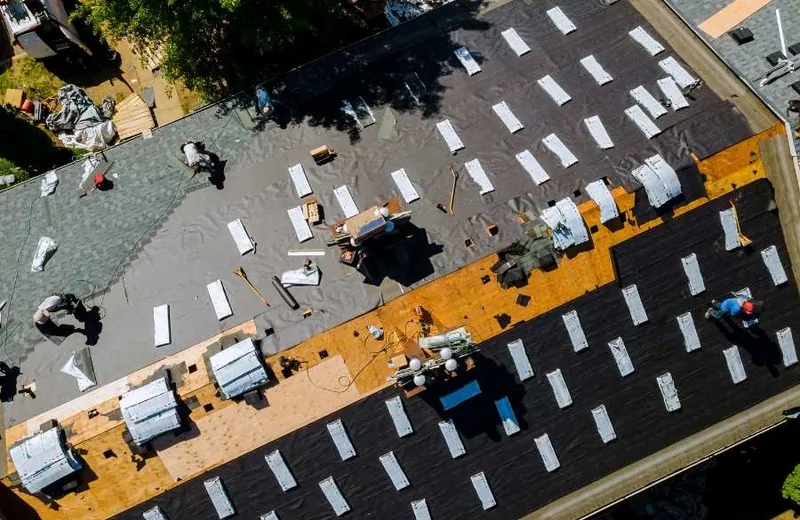
For a typical North Shore home, an architectural asphalt replacement usually costs about $14,000–$26,000. Cedar shingle roofs on Old Town colonials often run $40,000–$80,000. Slate and copper projects on large Neck or Beverly Farms homes can go well past six figures. The price depends mostly on material, pitch, how many chimneys and dormers the roof has, how many layers come off, and what shape the decking is in. Historic review prep and tight street access can add to the cost too. We give you an itemized proposal with unit pricing for any hidden repairs, and financing is available.
Do I need a permit or historic approval to replace my roof?
Yes, you need a building permit. Massachusetts requires one for re-roofing, and the state code generally allows no more than two layers before a full tear-off is required. If your home is in one of Marblehead's local historic districts, such as Old Town, changes visible from a public way usually need a Certificate of Appropriateness or a determination from the Old and Historic Districts Commission. That includes roofing material, color, skylights and chimneys. Like-for-like replacement is often simpler. Salem, Beverly and Manchester-by-the-Sea have their own review processes. We help prepare the paperwork and samples.
How long does a roof replacement take?
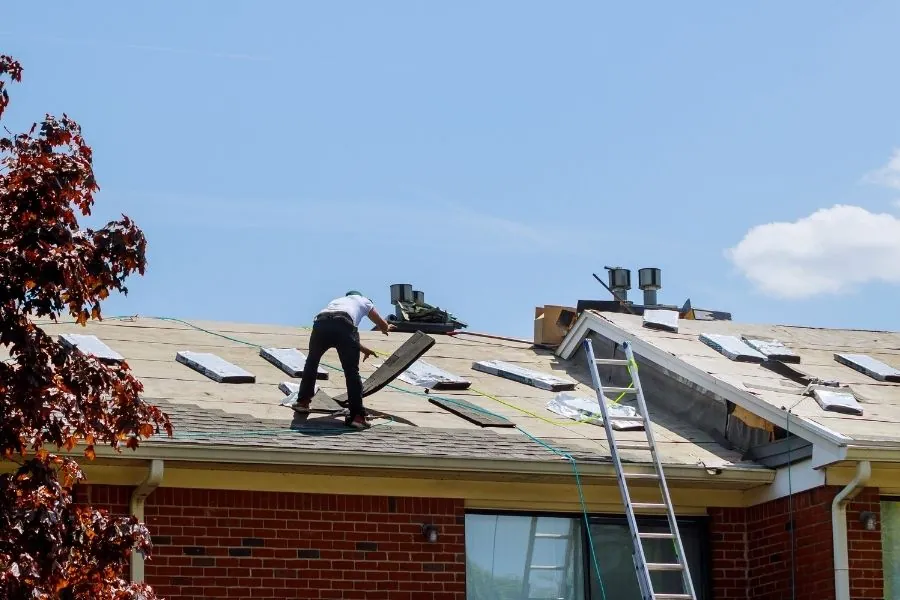
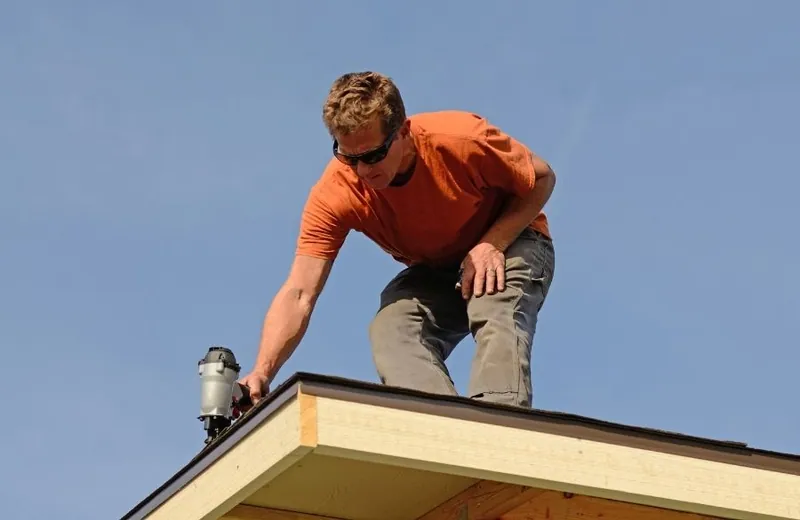
Most asphalt replacements take two to five working days once the crew is on site. Cedar, slate and copper roofs take longer, often one to several weeks, because so much of the work is done by hand. Permits and any historic commission review need to be done first, and that can add anywhere from a few days to several weeks depending on the town's meeting schedule. Weather matters as well. We won't open a roof with a nor'easter on the way, and every evening we leave the roof watertight.
How do I stop ice dams from coming back every winter?
Removing the ice only treats the symptom. Ice dams form because heat leaking from the house melts snow on the roof, so a lasting fix means improving attic insulation and balancing soffit and ridge ventilation to keep the roof deck cold. When the roof is replaced, ice-and-water shield along the eaves and valleys keeps out any meltwater that backs up. Heat cable can help on problem eaves and valleys. For active dams, we use low-pressure steam. Hammers and rock salt damage shingles and gutters, so we don't use them.
When should I call a roofer instead of waiting until spring?
Call right away if water is coming through a ceiling, shingles or slates have blown off, a tree limb has hit the roof, or ice dams are causing active drips. Each of these gets worse quickly with the next storm or freeze. Rust streaks, a small patch of moss or a few loose ridge caps can usually wait a few weeks, but it's still worth booking an inspection before winter. On older homes, a small leak left alone can rot plank decking and ruin plaster, and the repair bill climbs fast.
Should I choose cedar, slate, metal or asphalt for a coastal home?
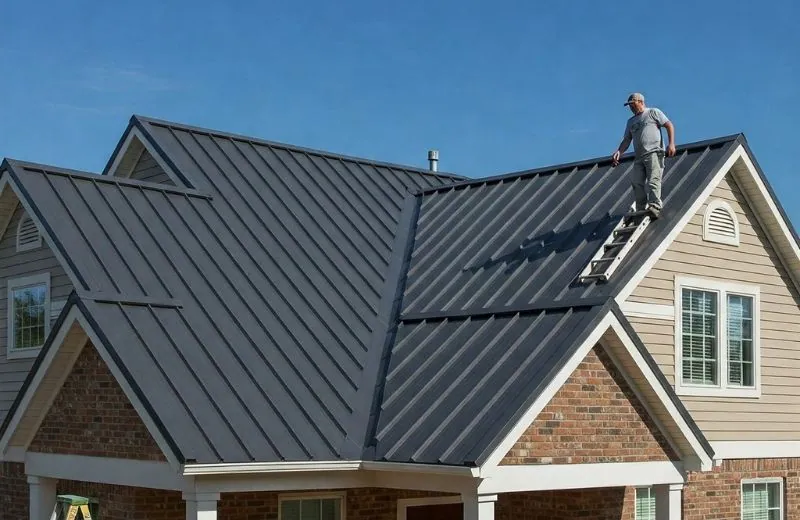
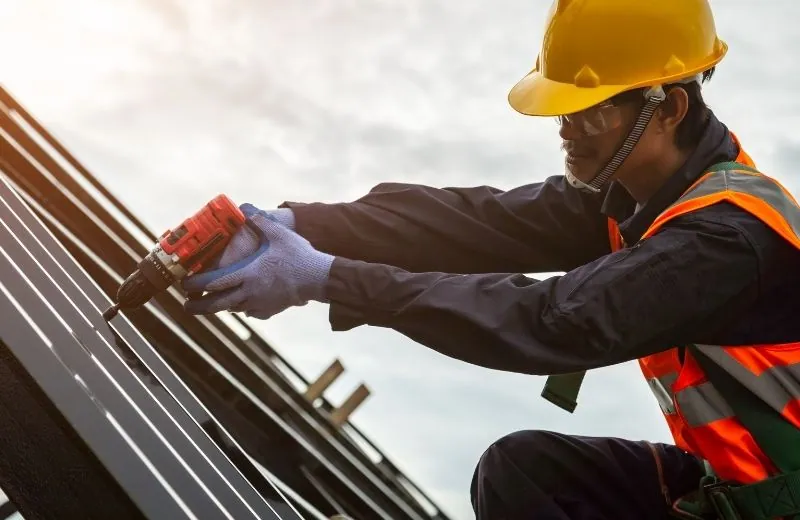
It depends on the house, your budget and how long you plan to stay. Architectural asphalt is affordable and handles wind well when it's installed with high-wind nailing. Standing seam metal sheds snow and lasts for decades, and it works especially well on farmhouses and modern designs. Cedar suits historic homes but needs airflow and maintenance in our humid coastal climate. Slate and copper cost the most up front but can last a century. In historic districts, the commission may expect you to stay with the original material.
Will salt air really shorten my roof's life?
Yes, especially within a mile or so of the water on Marblehead Neck, the harbor, Nahant, Winthrop and Swampscott's shoreline. Salt spray corrodes galvanized nails, drip edge, valley metal and gutters much faster than it would inland. Leaks often start at the metal while the shingles still look fine. We use stainless or copper fasteners and flashing where the exposure calls for them, and we keep incompatible metals from touching so galvanic corrosion doesn't speed things up. These upgrades cost little compared with an early re-roof.
Can you help after a nor'easter with tarping and insurance?
Yes. We provide emergency roof tarping to stop water from getting in, then photograph and document the damage so you have solid records for your insurance adjuster. Once the claim is moving, we schedule permanent repairs or replacement. Be careful with out-of-town storm chasers who show up after big storms. Ask any contractor for proof of insurance and their state registration before you sign. If you're away for the season, we can inspect your roof after a storm and send you photos.